
Your Guide to Relocating to Denver: What to Know Before You Move
Relocating to Denver is exciting for a reason. Few cities offer the same mix of outdoor access, career opportunities, and livable neighborhoods.
At the same time, moving here can feel overwhelming. The housing market moves quickly, neighborhoods vary more than expected, and many people arrive without a clear plan for their first few months.
This guide is designed to make that transition easier. It focuses on what actually matters when you are preparing to move, where to live, how to approach housing, and how to settle in without unnecessary stress.

Step 1: Start With a Flexible Housing Plan
One of the most common mistakes people make when relocating to Denver is trying to commit to long term housing too quickly.
The reality is that most people do not fully understand:
• commute patterns
• neighborhood feel
• lifestyle fit
until they have spent time in the city.
That is why many professionals, relocating families, and traveling healthcare workers start with a furnished mid-term rental for 30 to 90 days.
This gives you:
• time to explore neighborhoods
• flexibility if plans change
• a fully set up home without the hassle of moving furniture
For most people relocating, this is the easiest way to land in Denver without pressure.
👉 Browse available furnished rentals: https://www.elevatedfurnishedrentals.com/our-properties
Step 2: Choose the Right Neighborhood for Your Lifestyle
Denver neighborhoods feel very different from one another. Choosing the right one will shape your entire experience.
Here are a few areas that tend to work well for newcomers.
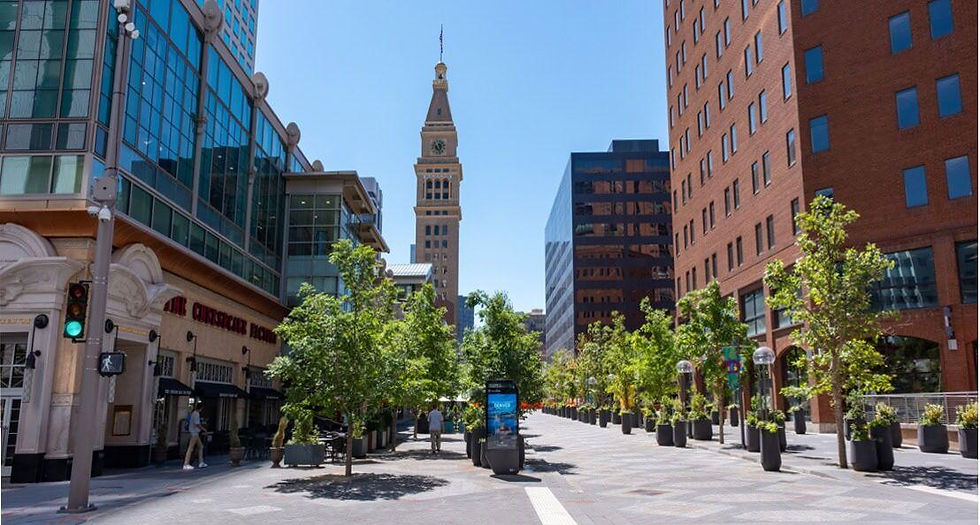
Downtown Denver (LoDo + Central Business District)
Best for: walkability, business travel, first-time visitors
Downtown Denver is often the easiest place to start if you are new to the city. Everything is close, and you can get a feel for Denver quickly.
You are within walking distance of:
• Union Station and the airport train
• the Convention Center
• restaurants, coffee shops, and coworking spaces
This area works especially well for corporate travelers, short-term assignments, and anyone who wants immediate access to the city.
Capitol Hill
Best for: central location, character, affordability
Capitol Hill is one of the most practical neighborhoods for extended stays. It sits just east of downtown and offers a mix of historic buildings, apartments, and local businesses.
You will find:
• walkable streets with coffee shops and restaurants
• easy access to downtown and Civic Center
• a more lived-in, local feel
It is a strong option for remote workers, travel nurses, and anyone who wants to be close to everything without being in the center of downtown.

RiNo (River North Art District)
Best for: creatives, remote workers, younger professionals
RiNo is one of the most active and fast-changing parts of Denver. It is known for murals, breweries, and a strong food scene.
You can walk to:
• Denver Central Market
• coffee shops and coworking spaces
• nightlife and live music
It works well if you want energy and walkability.

Cherry Creek
Best for: convenience, shopping, polished lifestyle
Cherry Creek feels more refined and structured. It is one of the easiest places to land if you are new to Denver and want everything nearby.
You have:
• high-end shopping
• clean, walkable streets
• easy access to downtown
It is a strong option for corporate travelers and longer stays.

Washington Park (Wash Park)
Best for: outdoor lifestyle, balance
Wash Park is one of the most livable neighborhoods in the city.
People move here for:
• the park itself
• walking and running paths
• a quieter residential feel
It works well if you want access to the city but do not want to feel in the middle of it.

Highlands
Best for: mix of neighborhood feel and city access
The Highlands offers a balance that many people look for when relocating.
You get:
• local restaurants and shops
• views of downtown
• a slightly slower pace
It is a good middle ground between energy and calm.

Park Hill
Best for: quiet residential living, proximity to hospitals
Park Hill is a favorite for people who want more space and a quieter environment while still being close to central Denver.
It is especially popular among:
• travel nurses and medical professionals
• families relocating to Denver
• longer-term guests
You are close to:
• City Park and the Denver Zoo
• major roads that connect to downtown
Park Hill offers a more relaxed, neighborhood feel while still being very practical for commuting.

👉 Explore more areas in Denver:https://www.elevatedfurnishedrentals.com/blog
Step 3: Understand What Living in Denver Actually Feels Like
There are a few things that surprise people when they first move.
The Altitude Is Real
You will feel it at first.
Common experiences in Colorado's high altitude:
• mild headaches
• fatigue
• getting winded faster than expected
The easiest way to adjust:
• drink more water than usual
• take it easy for the first few days
• avoid intense workouts immediately
The Sun Is Stronger Than You Expect
Denver gets over 300 days of sun per year.
Even in winter:
• sunscreen matters
• hydration matters
• sunglasses are essential
The Lifestyle Is More Outdoor-Oriented
People here build their routines around:
• parks
• trails
• weekend mountain trips
Even if you are not outdoorsy, this becomes part of your life quickly.
Step 4: Get Familiar With the City Early
One of the best things you can do in your first few weeks is explore intentionally.
Instead of staying in one area, spend time in:
• different neighborhoods
• parks like Sloan’s Lake or Wash Park
• areas near your workplace
This helps you make a better long-term housing decision.
Step 5: Make Your First Stay Easy When Relocating to Denver
Relocation is already a lot to manage.
The easiest way to simplify the process is to remove as many unknowns as possible from your housing situation.
That means:
• no furniture setup
• no utility setup
• no short-term lease stress
A well-located furnished rental gives you a stable home base while everything else comes together.
At Elevated Furnished Rentals, the focus is on making that transition feel straightforward.
Properties are designed for:
• extended stays
• remote work
• relocation periods
• professionals on assignment
Each space includes:
• fully equipped kitchens
• reliable WiFi
• comfortable, livable layouts

👉 View available properties: https://www.elevatedfurnishedrentals.com/our-properties
Final Thoughts: Take the Pressure Off the Move
Relocating to Denver is not just about finding a place to live. It is about giving yourself time to figure out where you actually want to be.
The people who have the smoothest transition are usually the ones who:
• start with flexibility
• explore before committing
• choose housing that supports their lifestyle
If you approach the move this way, Denver becomes much easier to settle into.
And much easier to enjoy.


Comments